Human Factors
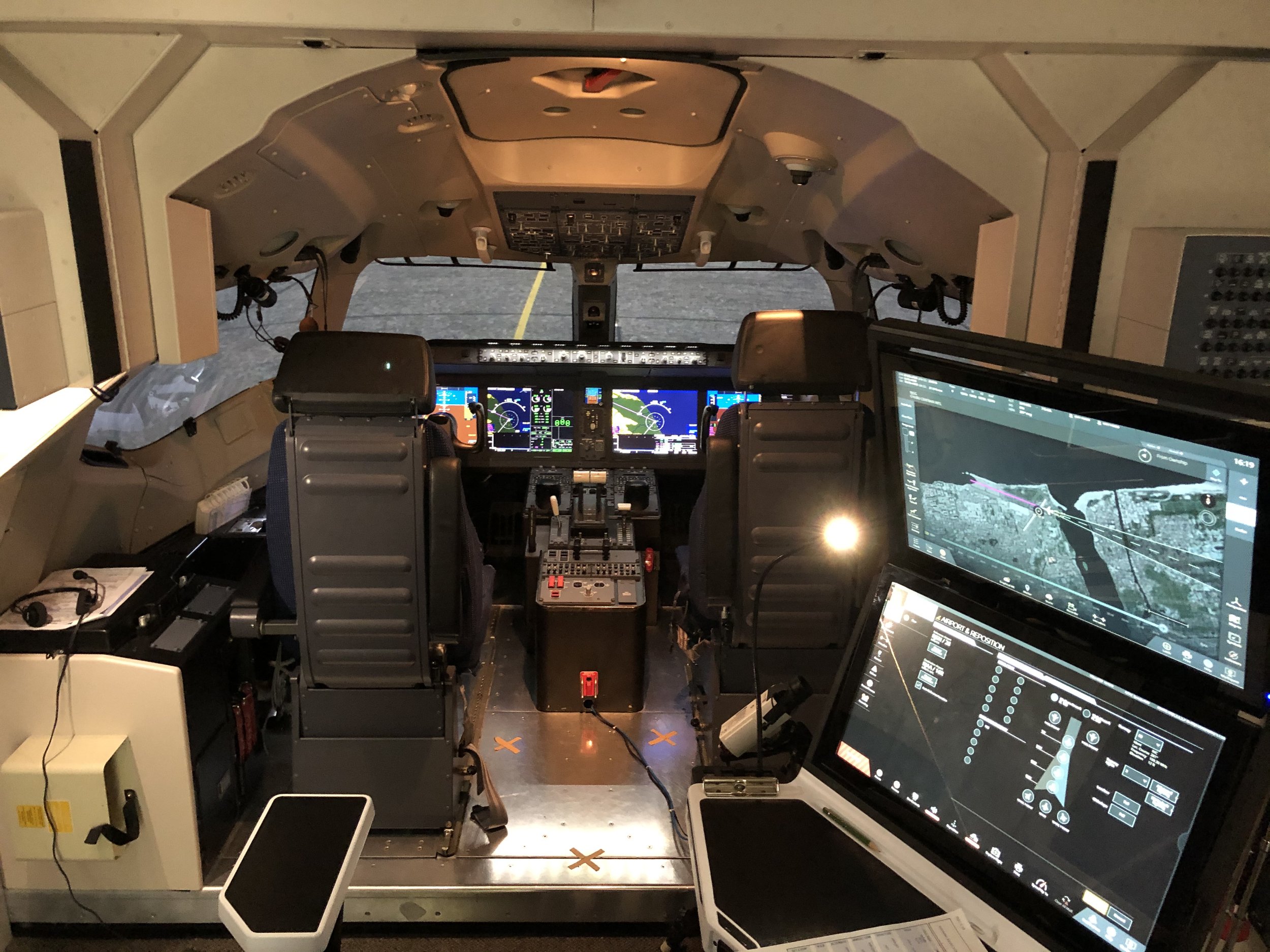
Human Factors (HF) is fundamental to successful design and operations. User Centric Design (UCD) have a track record of delivering industry leading HF insight, with over 50 years of knowledge and experience across a variety of industries to draw upon in order to best suit your needs. We believe that a user-centric approach is essential to developing solutions that are both safe and intuitive for the worker, and also increase efficiency and productivity for the client.
Our experts have produced HF guides and standards as well as detailed technical analysis. We tailor all work to the requirements and needs of our clients, ensuring maximum value-for-money.
Our Services
We can offer specialised Human Factors resource who can integrate within existing client teams, or we can take full ownership of deliverable packages.
-
Complement Modelling provides a toolset to predict the size and composition of complements for ships and submarines.
-
Designing and optimising control rooms to enable operators to work safely and effectively.
-
Analysing tasks and systems to understand error pathways and developing safe and pragmatic solutions to reduce risk.
-
Embedding Human Factors throughout the design lifecycle to ensure user needs are incorporated from the outset.
-
Delivering research studies, guides, and standards to develop Human Factors best practice across industries.
-
Modelling operator tasks and cognitive demands to ensure systems can be operated efficiently.
-
Optimising workplaces and equipment to ensure comfort and usability.
-
Creating intuitive and efficient systems to deliver a better user experience that is safer and more productive.
-
Planning and conducting user trials to provide evidence based design improvements.
-
Helping organisations optimise workplace design for comfort, performance and compliance.
-
Complement Modelling provides a toolset to predict the size and composition of complements for ships and submarines.
-
Designing and optimising control rooms to enable operators to work safely and effectively.
-
Analysing tasks and systems to understand error pathways and developing safe and pragmatic solutions to reduce risk.
-
Embedding Human Factors throughout the design lifecycle to ensure user needs are incorporated from the outset.
-
Delivering research studies, guides, and standards to develop Human Factors best practice across industries.

-
Modelling operator tasks and cognitive demands to ensure systems can be operated efficiently.
-
Optimising workplaces and equipment to ensure comfort and usability.
-
Creating intuitive and efficient systems to deliver a better user experience that is safer and more productive.
-
Planning and conducting user trials to provide evidence based design improvements.
-
Helping organisations optimise workplace design for comfort, performance and compliance.